<head>
<meta charset="UTF-8">
<title>선박 축발전기 시스템의 혁신과 환경적 가치: 2024년 최신 기술 분석</title>
<meta name="description" content="선박 축발전기의 기술 원리부터 IMO 환경규제 대응, 경제성 분석까지 전문적 시각에서 분석한 종합 보고서. Comprehensive analysis of ship shaft generator systems, including technical principles, IMO regulations, and economic feasibility.">
<meta name="keywords" content="선박 축발전기, 샤프트 제너레이터, IMO 2050, 친환경 선박, 에너지 효율화, ship shaft generator, eco-friendly ship, energy efficiency">
</head>
<body>
<article>
<h1>선박 축발전기 시스템의 혁신과 환경적 가치: 2024년 최신 기술 분석<br><small>Innovations and Environmental Value of Ship Shaft Generator Systems: 2024 Insights</small></h1>
<section id="technical-fundamentals">
<h2>축발전기 시스템의 기술적 기초<br><small>Technical Fundamentals of Shaft Generator Systems</small></h2>
<h3>기본 작동 원리<br><small>Basic Operating Principles</small></h3>
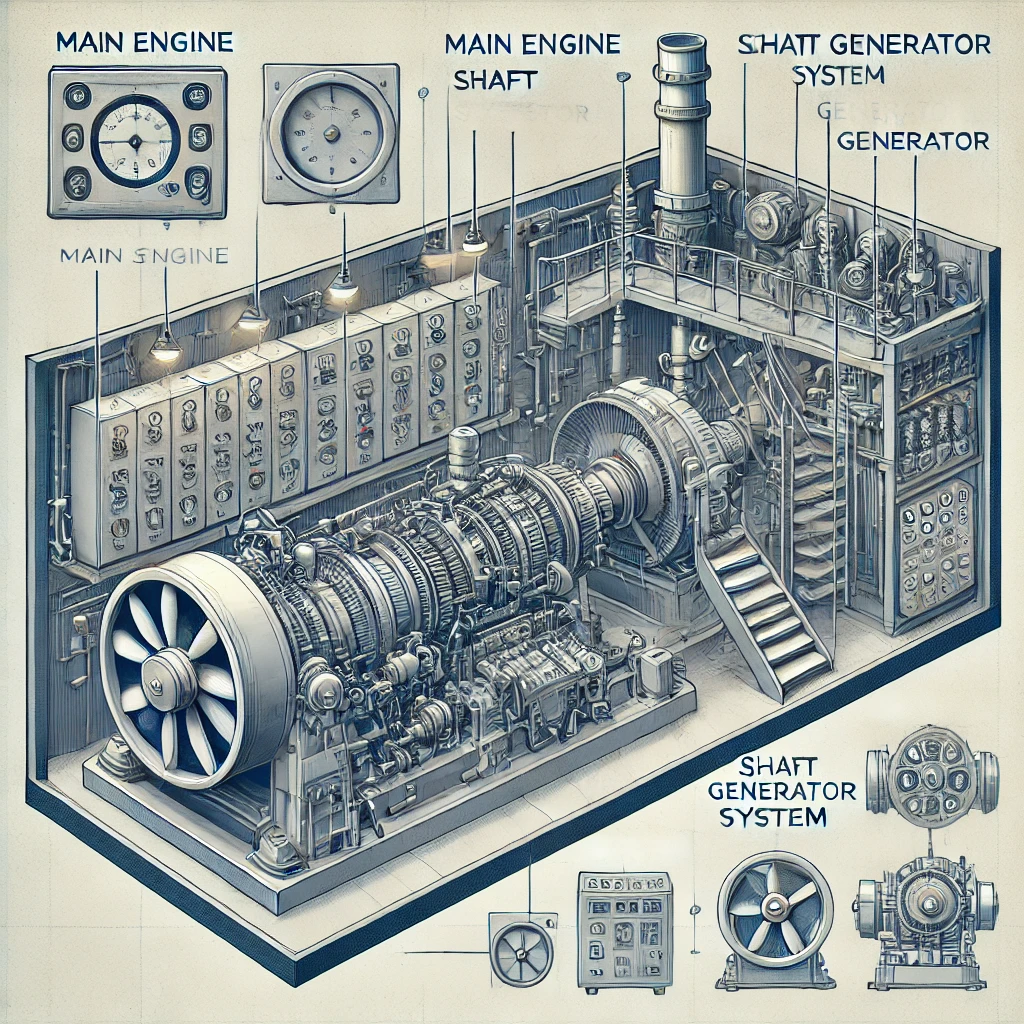
<p>축발전기 시스템은 선박의 주 추진축과 발전기를 연결하여 기계적 에너지를 전기 에너지로 변환합니다. 주요 구성 요소는 다음과 같습니다.<br>
The shaft generator system connects the ship's main propulsion shaft to the generator, converting mechanical energy into electrical energy. Key components include:</p>
<ul>
<li>주 추진축 (Main Propulsion Shaft)</li>
<li>발전기 및 전동기 (Generator and Electric Motor)</li>
<li>전력변환장치 (Power Conversion System, PCS)</li>
<li>제어시스템 (Control System)</li>
</ul>
<h3>운전 모드별 특성<br><small>Characteristics by Operation Mode</small></h3>
<p>
<strong>1. PTO (Power Take Out)</strong><br>
주기관의 회전력을 이용해 전력을 생산하며, 항해 중 선내 전력을 공급합니다.<br>
Uses the main engine's rotational power to generate electricity, supplying onboard power during voyages.
</p>
<p>
<strong>2. PTI (Power Take In)</strong><br>
전기 모터를 사용하여 추진력을 보조하고 연료 효율을 최적화합니다.<br>
Assists propulsion with an electric motor and optimizes fuel efficiency.
</p>
<p>
<strong>3. PTH (Power Take Home)</strong><br>
비상 추진 시스템으로 활용하며, 주기관 고장 시 안전한 운항을 보장합니다.<br>
Acts as an emergency propulsion system, ensuring safe navigation during main engine failure.
</p>
</section>
<section id="environmental-regulations">
<h2>국제 환경규제 대응 전략<br><small>Strategies for Compliance with International Environmental Regulations</small></h2>
<h3>IMO 환경규제 프레임워크<br><small>IMO Environmental Regulation Framework</small></h3>
<p>IMO의 단계별 배출 감축 목표는 다음과 같습니다.<br>IMO's phased emission reduction targets are as follows:</p>
<ul>
<li>2030년: 2008년 대비 40% 효율 개선<br>2030: 40% improvement in efficiency compared to 2008</li>
<li>2050년: 탄소중립 달성<br>2050: Achieving carbon neutrality</li>
</ul>
</section>
<section id="economic-analysis">
<h2>경제성 및 투자 분석<br><small>Economic and Investment Analysis</small></h2>
<h3>초기 투자비용<br><small>Initial Investment Costs</small></h3>
<ul>
<li>시스템 구매 (System Purchase): $240,000 - $400,000</li>
<li>설치비용 (Installation Costs): $60,000 - $200,000</li>
</ul>
</section>
<section id="future-trends">
<h2>미래 기술 전망<br><small>Future Technological Trends</small></h2>
<h3>디지털 트윈 및 스마트 그리드<br><small>Digital Twin and Smart Grid Integration</small></h3>
<p>디지털 트윈은 실시간 성능 모니터링과 예측 정비를 제공합니다.<br>Digital twin enables real-time performance monitoring and predictive maintenance.</p>
</section>
<div class="cta-section">
<h3>전문가 상담 안내<br><small>Consultation Services</small></h3>
<p>최적화된 솔루션을 제공합니다.<br>We offer optimized solutions tailored to your vessel type.</p>
</div>
</article>
</body>
</html>